

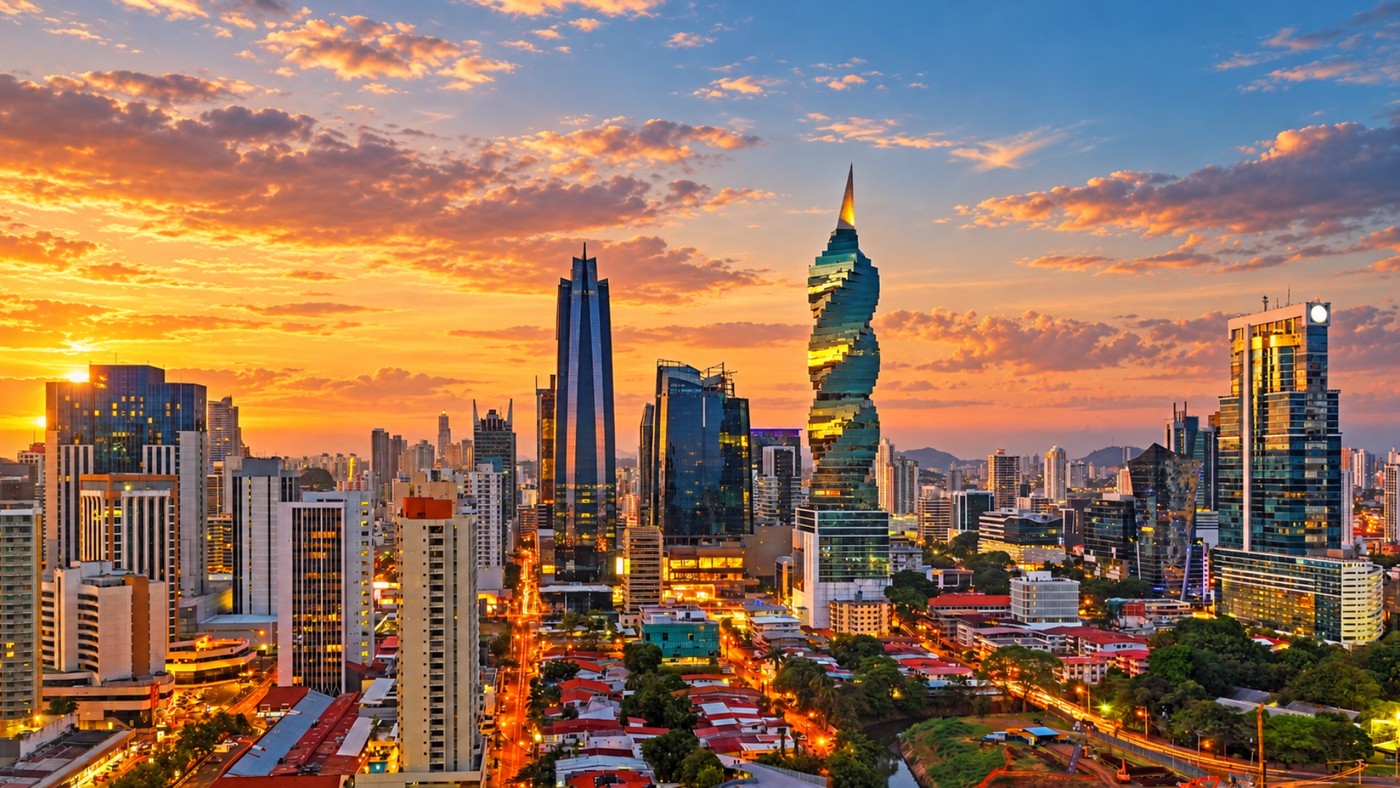
On October 9, 2026, Panama experienced a powerful 7.5-magnitude earthquake, with its epicenter near Tonosí in the province of Los Santos. The tremor was felt across different parts of the country and was followed by numerous aftershocks, prompting preventive evacuations, inspections, and renewed attention to how buildings and infrastructure respond to seismic activity. While areas closer to the epicenter reported significant impacts, Panama City did not experience widespread structural damage across its main buildings.
The event also comes at a time when countries such as Venezuela and Colombia have recently experienced significant seismic activity, reminding us that Latin America lives with a geological reality that requires preparedness, updated standards, and responsible construction. Rather than focusing only on the impact of the earthquake itself, events like this open an important conversation about how buildings are designed, supervised, and constructed to respond to extraordinary situations.
In Panama, that conversation naturally leads to the Panamanian Structural Regulations, the evolution of seismic standards, and the role architects, engineers, inspectors, and authorities play in every project. For those looking to live in or invest in a property, understanding these factors makes it possible to look beyond location, design, or profitability and consider another essential element: the long-term safety and resilience of the building.
Construction Standards in Panama: How Seismic Design Is Incorporated
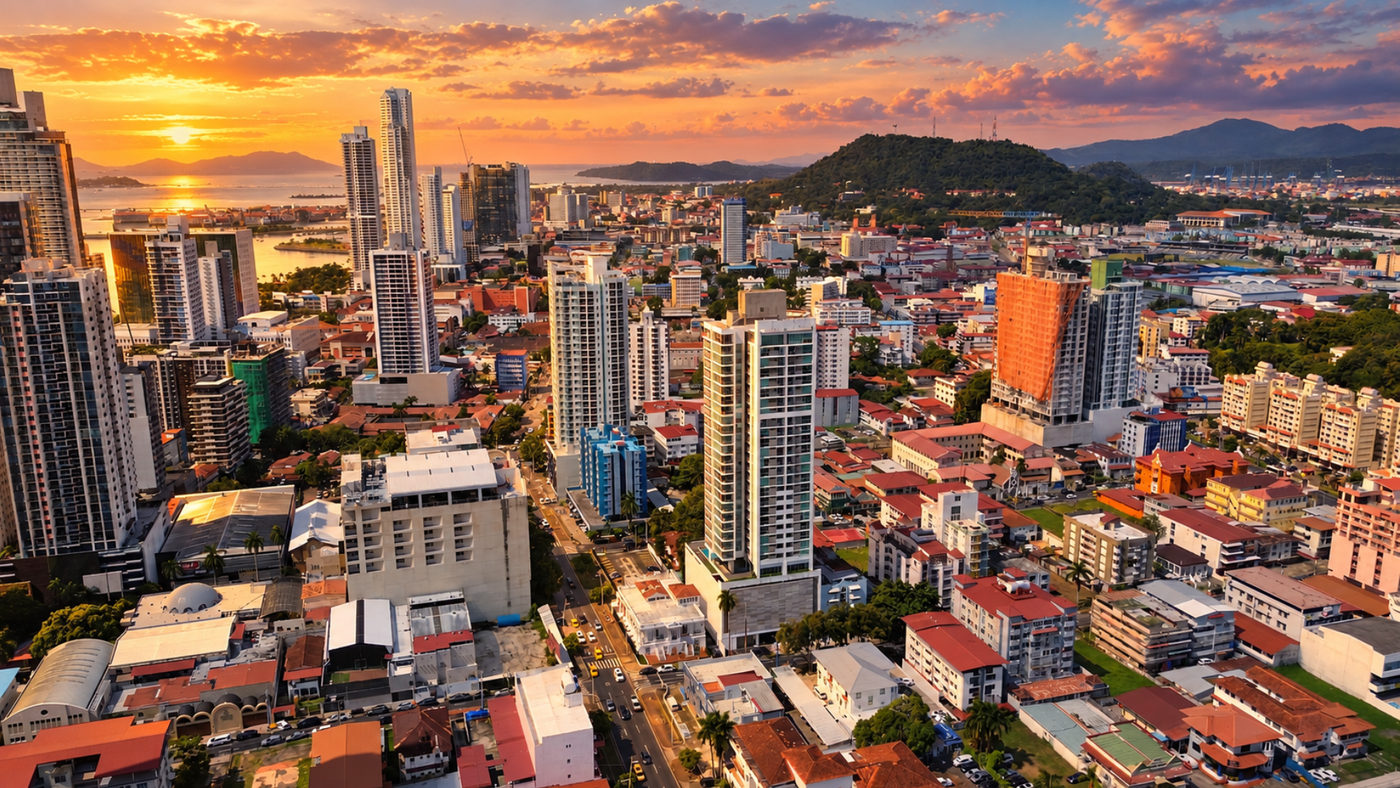
Panama’s geographic location has led the country to progressively develop and update its structural design standards. The Regulations for Structural Design in the Republic of Panama (REP) establish technical criteria that professionals must consider when designing a building, including soil conditions, wind, and seismic loads. This framework allows architects and engineers to work with parameters adapted to Panama’s specific conditions.
Over the years, these standards have evolved by incorporating new studies, technology, and international references. Updating these criteria is part of the growth of a city that continues to expand vertically and attract international real estate investment. Rather than responding to a single event, structural design in Panama reflects a culture of planning, engineering, and continuous improvement—all especially relevant for those evaluating a property to live in or invest in.
What Is the Panamanian Structural Regulation and Why Is It Important?
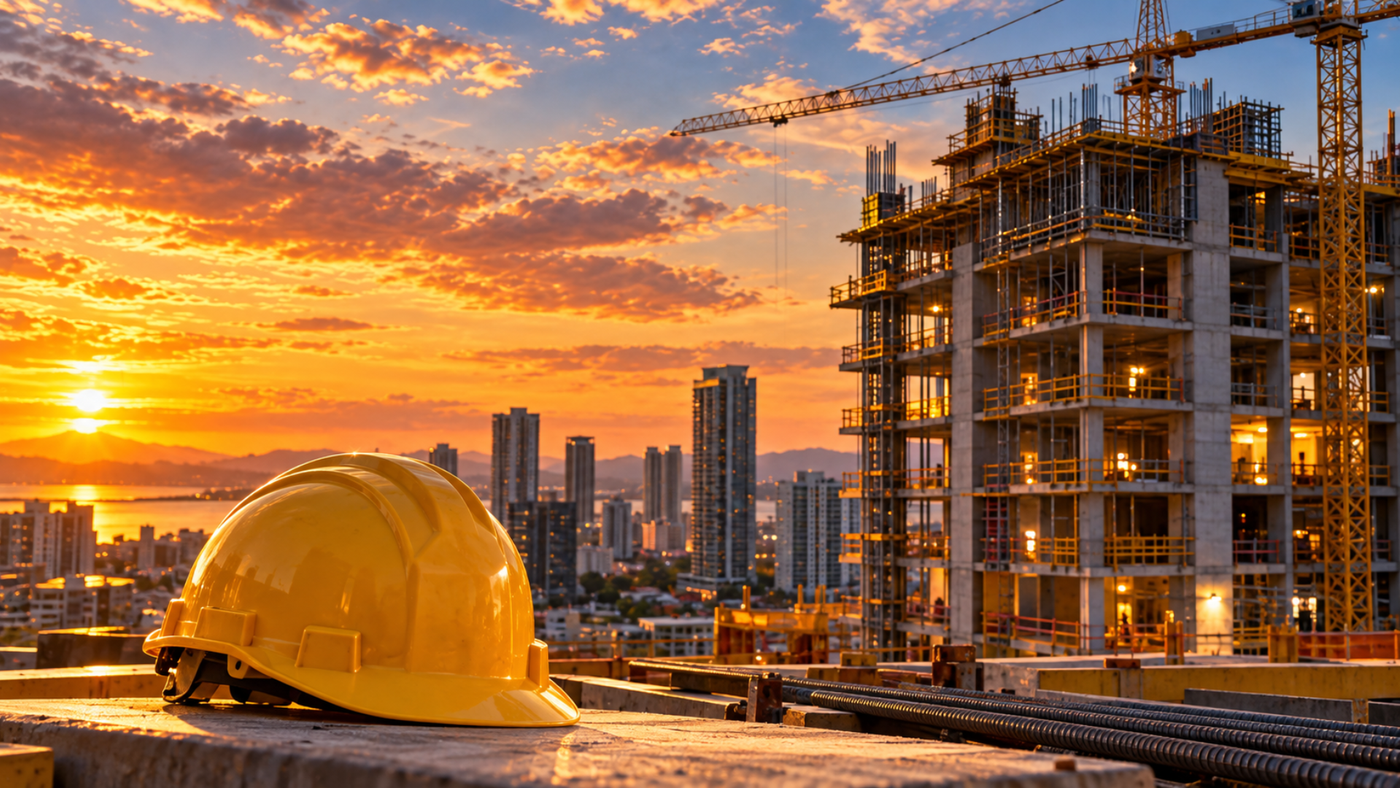
The Regulations for Structural Design in the Republic of Panama (REP) establish the minimum technical criteria that architects, engineers, and other professionals must consider when designing structures in the country. Its purpose is to guide building design so that structures respond appropriately to different conditions, including permanent loads, wind, soil characteristics, and seismic effects.
Beyond setting design parameters, the REP serves as a common technical reference for Panama’s construction industry. As the country has grown and its skyline has evolved, the regulation has also been updated to incorporate new knowledge, studies, and methodologies. For buyers and investors, its importance lies in the fact that it forms part of the framework that guides how buildings are designed and evaluated from a structural and safety perspective.
For example, the REP does not focus on a single type of structural force. It also considers factors such as gravity loads, wind, seismic behavior, geotechnical conditions, and foundation design, because the performance of a building depends on how all of these elements interact. This means structural design is evaluated as a whole: factors such as building height, soil type, structural system, and construction materials all form part of the analysis.
It is also important to understand that not every area presents exactly the same conditions. In Panama City, for instance, seismic microzonation studies distinguish between different soil types and geotechnical characteristics across sectors of the city. This information helps engineers design structures and foundations that are better suited to the specific conditions of the site where a project will be developed.
In practice, this translates into very specific decisions: how columns and beams are sized, what type of foundation is used, how loads are distributed, and which materials or structural systems are most appropriate for each project. For this reason, compliance with the REP is not simply a documentation requirement, but an essential part of the engineering process that supports a building from its initial design through construction and supervision.
How Panama’s Construction Standards Have Evolved
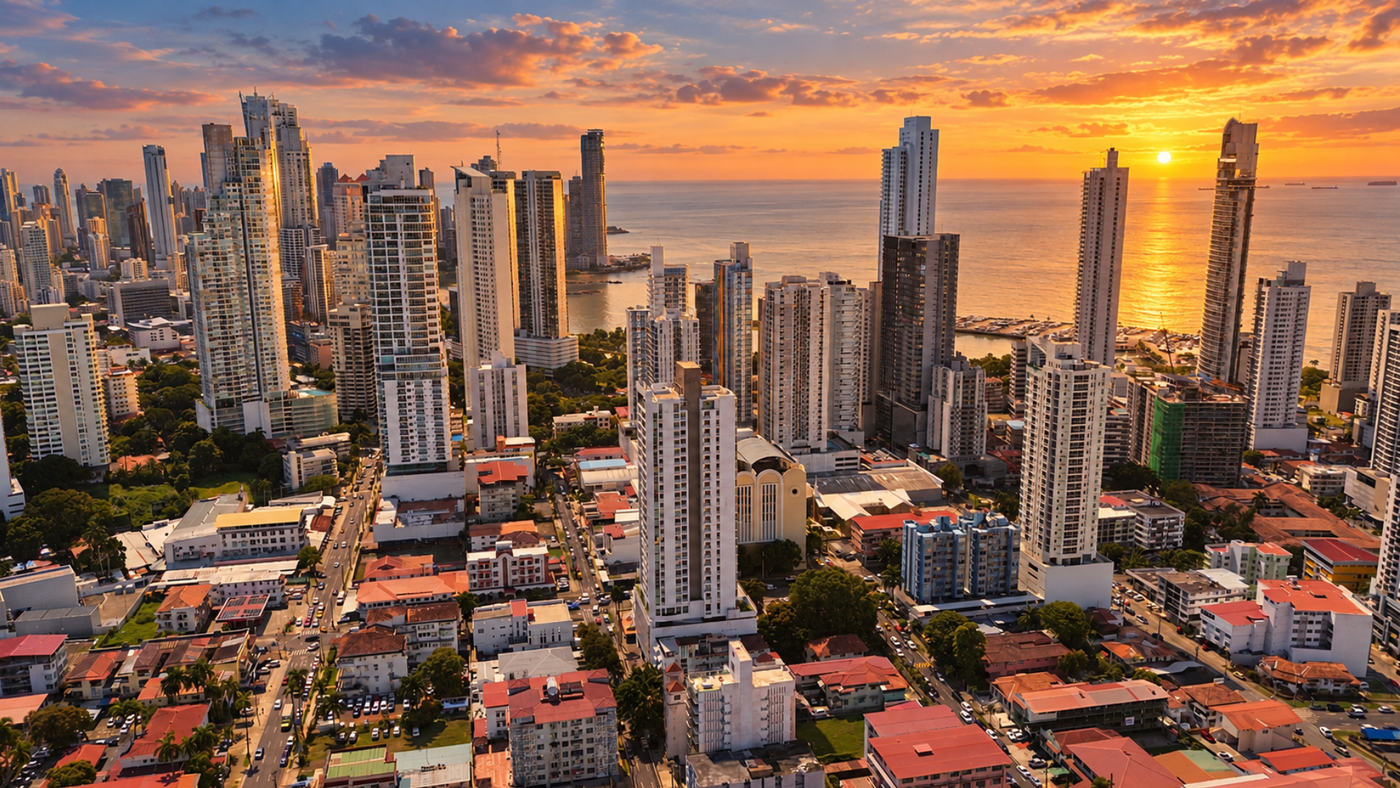
Since the adoption of the REP-84, Panama has periodically updated its structural design standards to incorporate new studies, engineering advances, and international best practices. With each new version, criteria related to seismic design, wind, soil conditions, geotechnics, and construction materials have been further refined.
More recent versions, such as the REP-2014 and REP-2021, incorporate more detailed information about Panama’s territorial conditions and more modern design tools. This evolution reflects a process of continuous improvement, in which regulations are reviewed and updated as engineering practices, knowledge of the territory, and international standards continue to advance.
For buyers and investors, this means that newer buildings are developed within an increasingly specific technical framework adapted to the country’s conditions, while also supporting the growth and evolution of Panama’s real estate industry.
Grupo Binian’s Philosophy: More Than 40 Years of Experience in Design, Supervision, and Responsible Construction
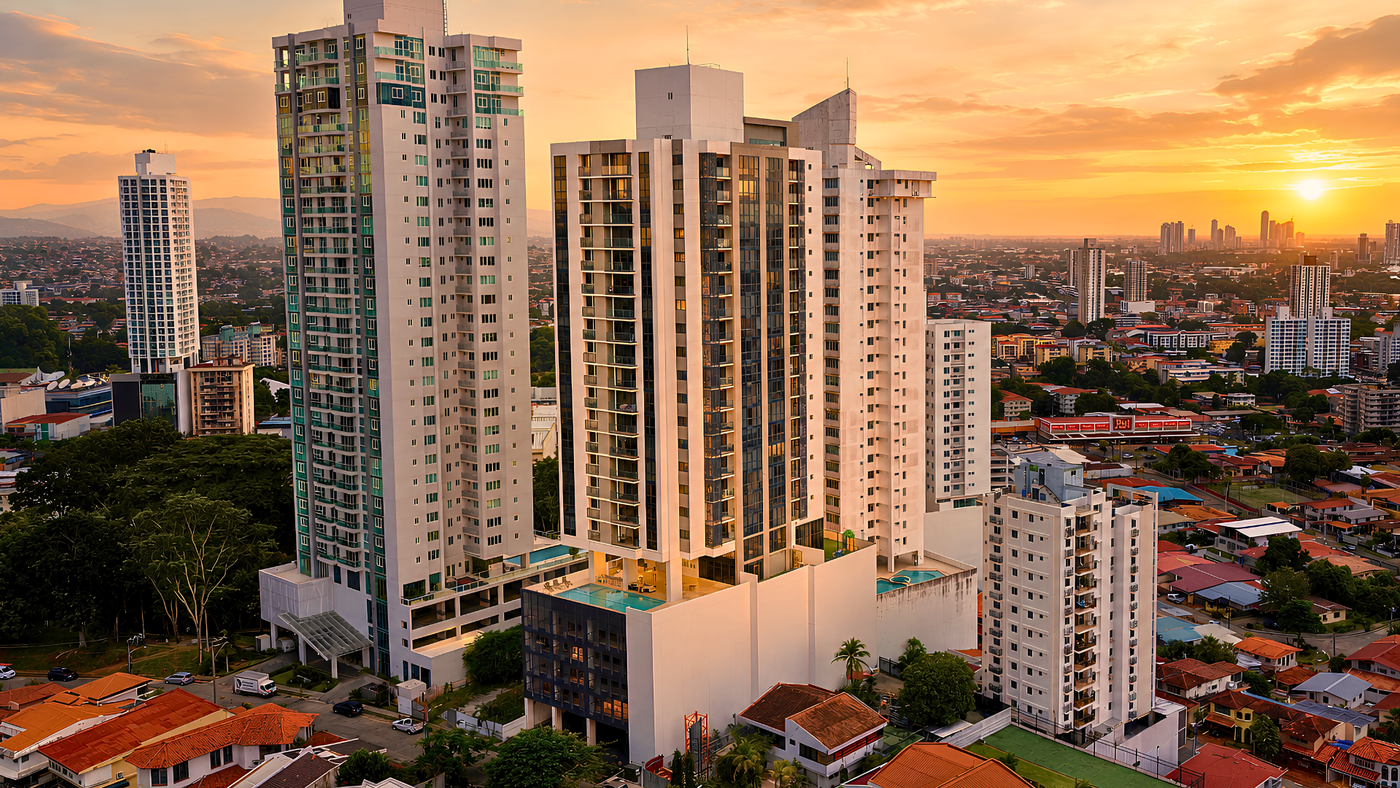
At Grupo Binian, engineering has been at the core of the company’s approach to development from the very beginning. With more than 40 years of experience building in Panama and Venezuela, the company has a particularly strong technical foundation: its four founding partners are civil engineers, shaping a development philosophy focused not only on design and functionality, but also on responsible planning, execution, and supervision throughout every project.
This approach is based on the understanding that a building depends on much more than a strong architectural concept. Structural design, material selection, site conditions, and the proper execution of construction plans all require qualified professionals who can interpret and apply technical standards according to the specific characteristics of each development.
Supervision during construction is equally important. A strong design must be supported by quality control, technical oversight, and professionals who ensure that what has been planned is correctly executed on site. For Grupo Binian, construction is therefore understood as an integrated process in which experience, engineering, planning, and supervision work together to create projects designed to stand the test of time.
What to Consider Before Buying an Apartment in Panama: Safety, Quality, and Experience
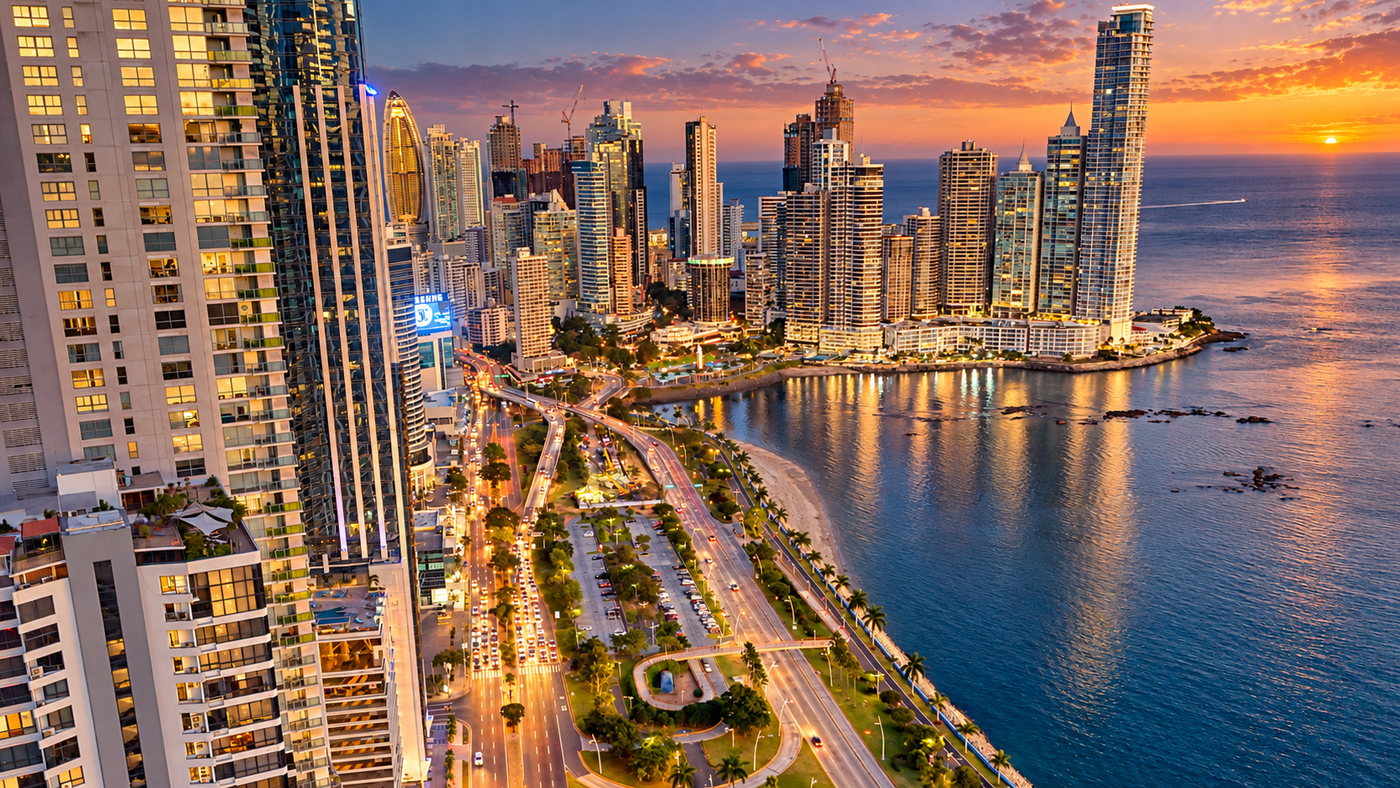
When purchasing a property, it is natural to first consider location, design, amenities, and potential returns. However, it is also important to understand who is developing the project, which professionals are involved in its design and supervision, and which technical standards guide its construction. The developer’s experience, the engineering team, the quality of the materials, and compliance with local regulations all provide important context for understanding how a building was designed and executed.
It is also worth asking about factors such as soil studies, the structural system, required permits, construction supervision, and the developer’s track record. Buyers do not need to become engineers themselves; the goal is simply to have enough information to make a more informed decision and, when necessary, seek guidance from qualified professionals.
For international buyers, these questions can be particularly relevant. Understanding Panama’s construction framework and working with experienced developers and advisors can help evaluate an investment from a broader perspective, combining financial considerations with the long-term quality and sustainability of the property.
For buyers and investors considering purchasing property in Panama, structural safety should be a key part of the decision-making process, alongside location, design, construction quality, and potential returns.
How to Help After the Earthquake in Panama: Donations and Support Organizations
In addition to learning about prevention and responsible construction, moments like this also remind us of the importance of solidarity. The most affected communities continue to receive support, and those who wish to contribute can do so through organizations and institutions coordinating donations, community assistance, and animal welfare efforts.
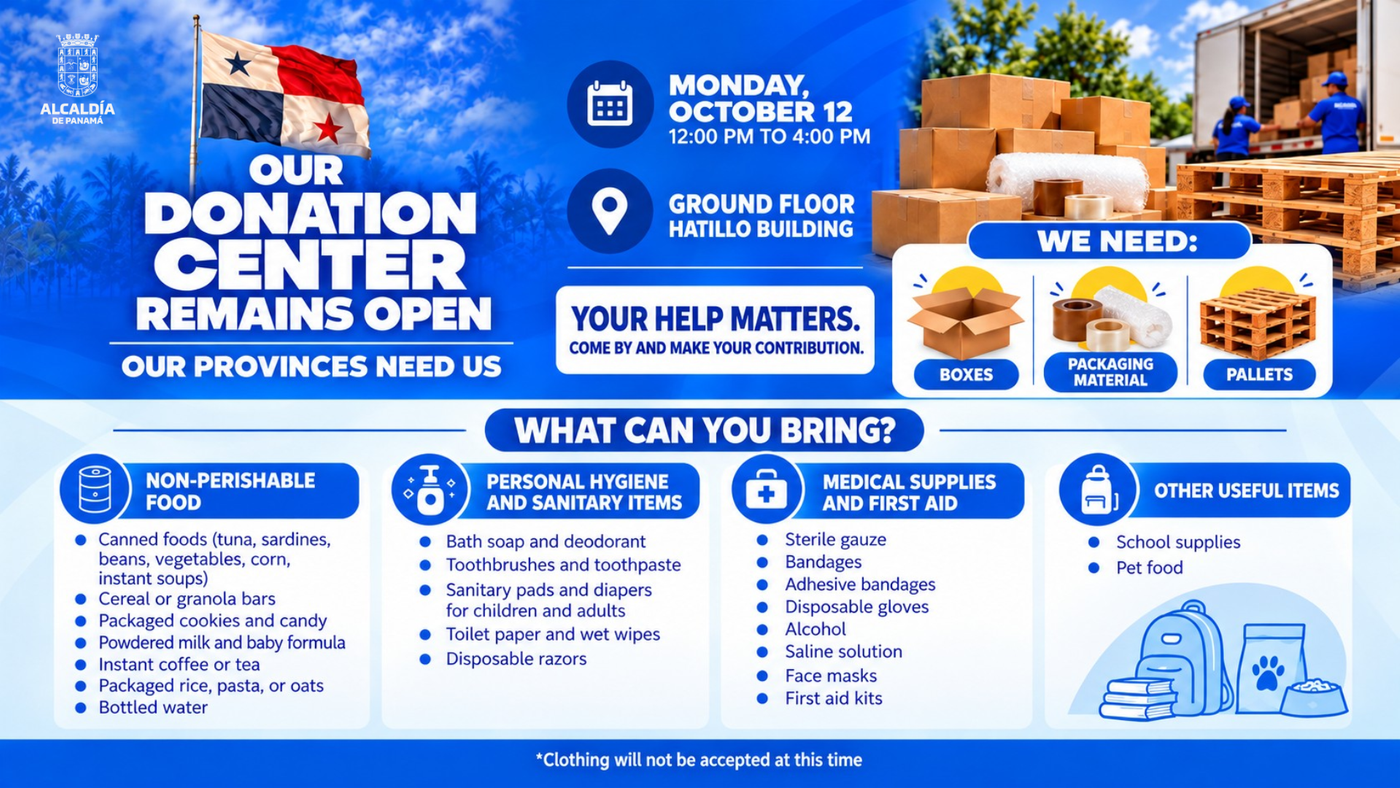
The Municipality of Panama is currently continuing its Solidaridad Ciudad de Panamá initiative, which has mobilized aid to affected areas. Its collection center, located on the ground floor of the Edificio Hatillo, continues to receive donations from 8:00 a.m. to 4:00 p.m., according to information published by the municipality.
There are also other ways to contribute, depending on the type of support each person wishes to provide:
- Municipality of Panama — Humanitarian Aid: information on collection centers and the distribution of donations to affected communities. Learn more about Solidaridad Ciudad de Panamá
Municipality of Panama on Instagram: @alcaldiapanama
- San Francisco de Asís Foundation (FUNDASIS) — Animal Welfare: provides support for food, rehabilitation, sterilization, and care for rescued animals, as well as volunteer opportunities and partnerships. For specific needs related to the emergency, we recommend checking their most recent updates directly. Learn how to support FUNDASIS
San Francisco de Asís Foundation on Instagram: @fundasispma

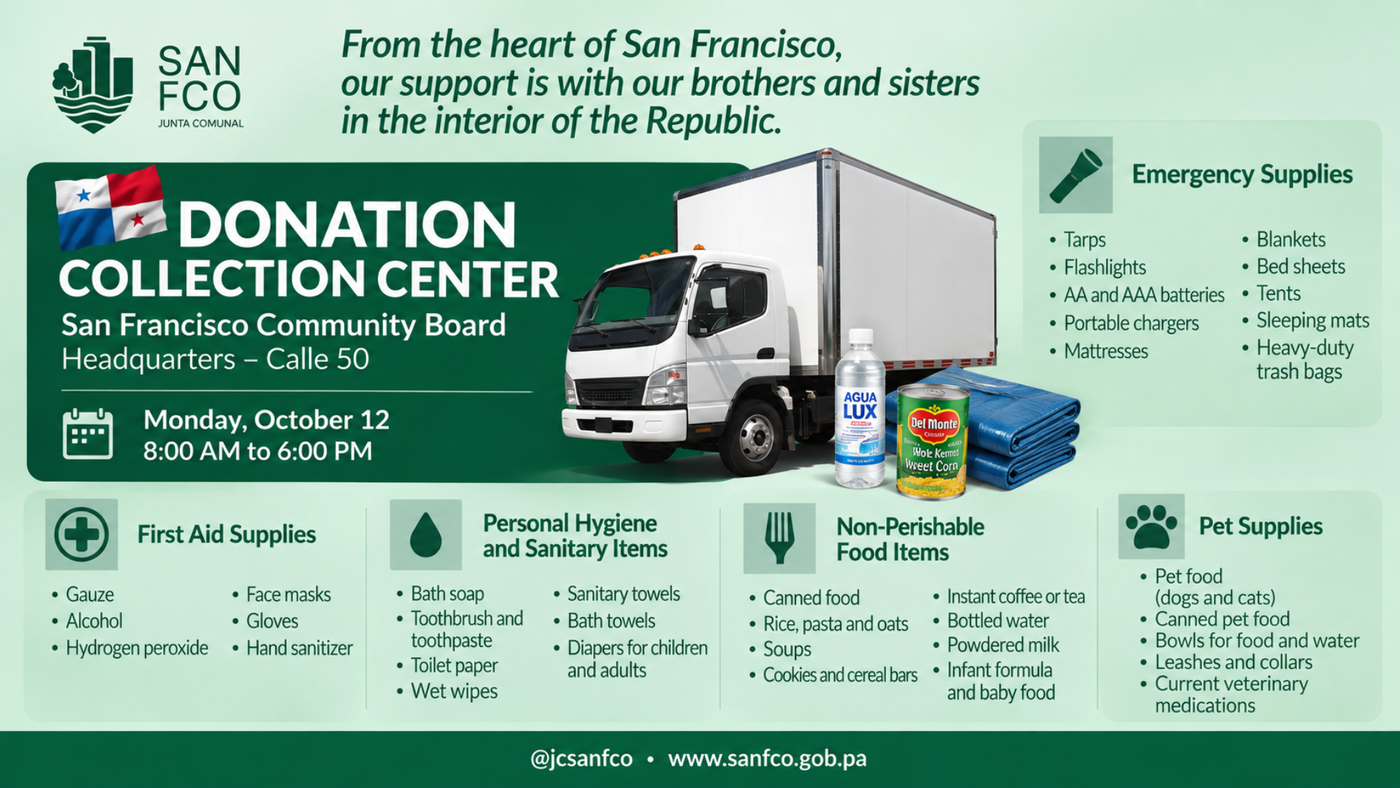
- San Francisco Community Board — Community Support: its official website provides information on local initiatives, social assistance, and community contact channels. We recommend checking their most recent updates to confirm current campaigns or donation collection points.
San Francisco Community Board on Instagram: @jcsanfco
Every contribution matters. Staying informed through official channels and supporting communities according to their real and current needs is a meaningful way to contribute to recovery efforts. At Grupo Binian, we express our solidarity with the families and communities affected, and we recognize the work of the institutions, volunteers, and citizens who are mobilizing to assist, protect, and support those who need it most.